Dry Eye Center of BrentwoodUpdated October 2, 20264 min read
Key takeaways
- Heat makes thickened oil in the eyelid glands more fluid, so some of it can move again.
- How warm, how long and how often depend on what you are using and on your own eyes, so ask your doctor.
- It softens what is already in the gland. It does not change why the oil thickened.
- Follow the instructions for whatever you use, and ask us what suits you rather than settling it from a web page.
Warm compresses are the first thing most people are told to try, and they are worth doing. They are also routinely oversold. Here is what heat actually does at the eyelid, why it helps, and why it tends to stop helping after a while.
What the heat is actually for
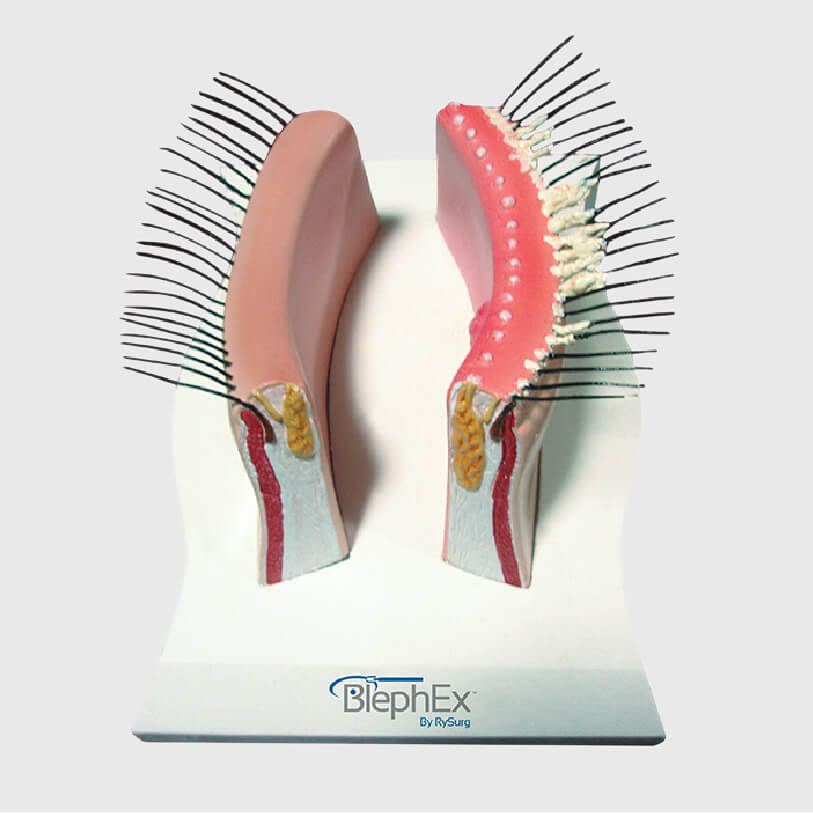
Along the edge of each eyelid sit the meibomian glands, which produce the oil that goes into your tears. That oil is what stops the watery part of the tear film evaporating before your next blink. When the glands are healthy it flows easily. When the condition has been developing for some years, the oil thickens, until it behaves less like oil and more like a paste that will not come out of a narrow opening.1
Heat makes thickened oil more fluid, in the same ordinary way heat loosens anything waxy. That is the entire mechanism. Applied to the closed eyelids, it can soften what is sitting in the glands enough that some of it moves again.
Doing it properly
How warm, how long and how often are not for a web page to decide. Safe temperature and duration depend on what you are using and on your own eyes, and that is a conversation for your visit.
The American Academy of Ophthalmology recommends warm compresses alongside regular eyelid cleaning rather than on their own.2 Products made for eyelid hygiene come with their own instructions; follow those, and ask us what suits you.
Why it stops being enough
Here is the part that is usually left out. Heat softens what is already in the gland. It does not change the reason the oil thickened in the first place, and whatever that reason is, a compress does not address it.
So the pattern people describe is consistent: compresses help, the relief lasts hours rather than days, and over months the same routine delivers less. That is not a sign you are doing it wrong. It is what you would expect from a measure that addresses the symptom at the end of the chain.
So should you bother?
For many people it makes the day more comfortable, and it is worth keeping up. Follow the instructions that come with whatever you are using, and stop and ask if it stings, burns or leaves the lids sore. Just judge it fairly: a warm compress is comfort and maintenance, not a correction. If it is the only thing standing between you and a bad day, that calls for an examination rather than a longer session with the washcloth.
If your eyes have been like this for years and nobody has looked closely at the edges of your eyelids, that is the gap worth closing. We see patients in Brentwood and from well beyond it, and a consultation starts with that examination.
References
- Rynerson JM. Dry Eyes. 2nd ed. 2026.
- American Academy of Ophthalmology. What Is Blepharitis? EyeSmart. View source
This article is for general education and isn’t a substitute for medical advice. Please talk with your eye doctor about your own symptoms and treatment.