Dry Eye Center of BrentwoodUpdated October 2, 20265 min read
Key takeaways
- Symptoms overlap: itching, redness and watering can belong to either.
- Seasonality, whether your nose is involved, and how your eyes are on waking are more useful clues.
- The two can occur together, which is one reason symptoms can be hard to place.
- A comprehensive examination may be needed rather than a process of elimination at home.
Itchy, red, watery eyes in spring. Is it allergies, or is it something at the eyelid that happens to be worse right now? People spend years on the wrong answer, and the reason is that the symptoms genuinely do not separate the two.
Why the symptoms don’t settle it
Eye care has traditionally leaned on a rule of thumb: itching means allergy, redness and burning and a gritty feeling mean blepharitis, dryness means dry eye. Dr. Rynerson’s book is direct about how poorly that has worked — the symptoms overlap so heavily that sorting the conditions by what the patient reports was never reliable.1
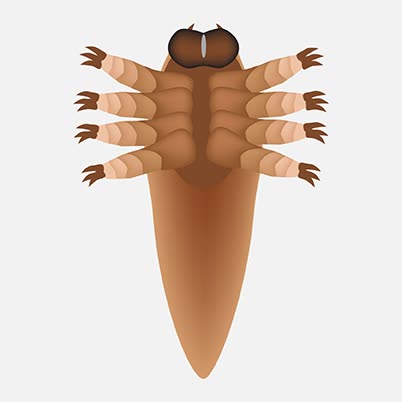
Itching is the clearest example. It is the symptom most people treat as proof of allergy, and it is also a common feature of what happens along the lash line, including when Demodex mites are involved. Both the bacteria and the mites are ordinary residents of adult eyelids.2
What does point one way or the other
A few patterns are genuinely useful, though none is conclusive on its own.
Seasonality. Symptoms that arrive with pollen and leave with the first frost lean toward allergy. Symptoms that are much the same in February and July lean away from it.
Where else it shows up. Allergy often affects more than the eyes. A runny nose, sneezing or an itchy throat alongside eye symptoms may point in a different direction from eye symptoms on their own, though neither pattern settles it.
Time of day. Eyes that are at their worst on waking, and settle as the morning goes on, fit the eyelid pattern better than the allergy one.
What has already been tried. If antihistamines and allergy drops have been used properly for a season and nothing much changed, that is informative. A great many people arrive having done exactly this for years.
And it can be both
Having hay fever does not rule out anything happening at your lid margin, and the two can occur together. Symptoms overlap, which is why a comprehensive examination may be needed to work out what is contributing.
How it actually gets sorted out
By looking. The eyelid margin either shows changes or it doesn’t, and that is something an examination establishes in minutes and guesswork never will.
It is a common story in our Brentwood office: someone who has treated spring allergies for a decade, when pollen was never the whole story.
References
- Rynerson JM. Dry Eyes. 2nd ed. 2026.
- American Academy of Ophthalmology. What Is Blepharitis? EyeSmart. View source
This article is for general education and isn’t a substitute for medical advice. Please talk with your eye doctor about your own symptoms and treatment.